1124 Oregon St, Oshkosh, WI, 54902
Bonded & Insured
Oshkosh, WI

Roofing Contractor in Oshkosh, WI Built for Lake Winds and Wisconsin Winters

Oshkosh roofs take a beating most places never see. Wind rolls straight across Lake Winnebago, 40-plus inches of snow sits on the eaves for weeks, and March freeze-thaw cycles pry at every shingle, chimney and skylight. By late winter, ice dams have pushed meltwater under shingles and into ceilings across town. Oshkosh Roof Repair Masters fixes those problems at the source. We repair leaks, replace damaged shingles, rebuild flashing, remove ice dams and install new asphalt and metal roofs, and every project gets secure fastening plus ice and water shield.

We know the housing stock here, from the Queen Annes in the Washington Avenue Historic District and the converted rentals near UW Oshkosh to the 1950s Cape Cods on the south side. Older homes near downtown and the university need careful work around brick chimneys, dormers and box gutters, and we take that time. Our crews also work in Butte des Morts, Omro, Winneconne, Neenah, Van Dyne and Pickett. You'll get a thorough inspection, clear options and steady communication from start to finish.

  • Bonded roofing contractor
  • Fully insured crews
  • Financing available
  • Serving a 20-mile radius around Oshkosh
Free Estimate

Request Your Free Estimate

No obligation. Fast, honest quotes.

Prefer to talk? Call (920) 768-8868 — your details are never shared.

Credentials & Certifications BondedInsuredFinancing Available
What We Do

Roofing Services for Oshkosh Homes, Farms and Businesses

We cover the full range of roofing work, from a single shingle repair to a complete tear-off on a lakefront home or a new membrane on a commercial building. Every project gets secure fastening and ice and water shield, and the materials and details are chosen for Oshkosh's snow, wind and freeze-thaw cycles.

Roof Repair, Leak Detection & Roof Patching

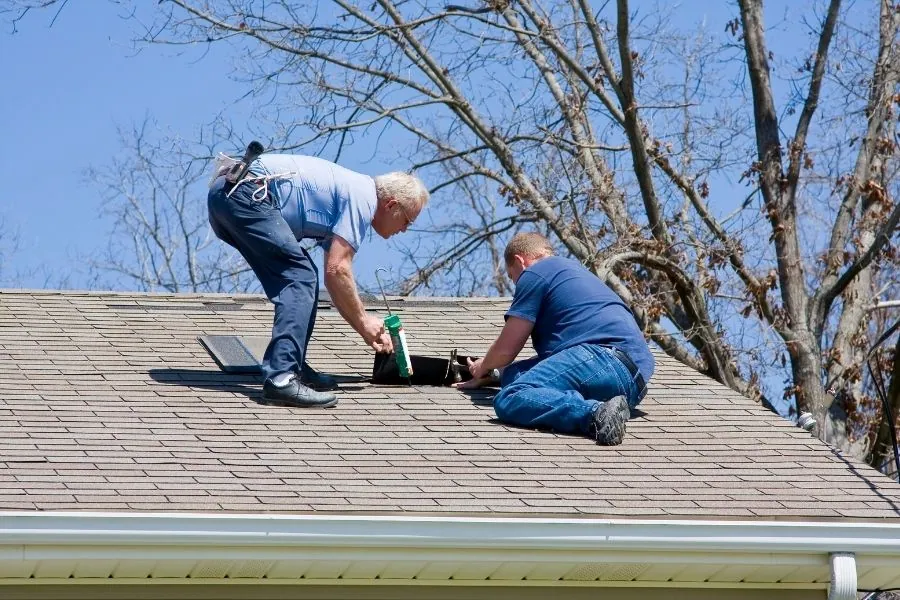
We track down active leaks and fix them, including leaks from shingles, flashing, vent boots, skylights and storm damage. That covers roof shingle repair, roof damage repair and targeted patching that extends the life of a sound roof.

We trace water from the interior stain back to its entry point, inspect the decking and flashing, then repair with matched materials, hand-sealed tabs and proper fastening. No tar-and-hope patches.

Freeze-thaw cycles and lake wind cause most Oshkosh leaks, often at chimneys and dormers on older homes. We repair year-round, including winter leak repair when snow makes access tricky, and we fix the cause of the leak along with the damage it caused.

Best for: Homeowners with one active leak, wind-lifted shingles or storm damage on a roof that still has years of life left.

Explore
★ Specialty

Ice Dam Removal & Winter Roofing

We provide professional ice dam removal, gutter ice removal, roof snow removal, ice dam leak repair and water damage repair, plus heat cable and tape installation to keep trouble spots open.

We cut channels and clear ice with low-pressure steam that won't damage shingles. Hammers, chisels and rock salt piles don't come out. After a thaw we repair the leak, replace soaked decking and soffits and address the attic heat loss that caused the dam.

Oshkosh's long subfreezing stretches and 40-plus inches of snow make ice dams a yearly problem, especially on Cape Cods and bungalows. We also handle winter roof replacement when an emergency can't wait for spring.

Best for: Homes with heavy icicles, interior drips during thaws or a history of late-winter ceiling stains.

Explore

Emergency Roof Repair & Tarping

When a storm, falling limb or ice dam opens your roof, we provide emergency roof repair, emergency roof tarping and roof tarp installation to stop water fast and protect the interior.

We secure heavy-duty tarps over the damaged area with battens fastened into solid framing, photograph the damage for insurance and schedule permanent repairs as soon as weather allows.

Summer straight-line winds and hail across the Fox Valley create sudden backlogs. A proper tarp keeps your home dry while the spring rush or winter cold delays full repairs.

Best for: Storm damage, fallen trees, blown-off sections or active leaks that can't wait.

Explore

Roof Replacement & Asphalt Shingle Installation

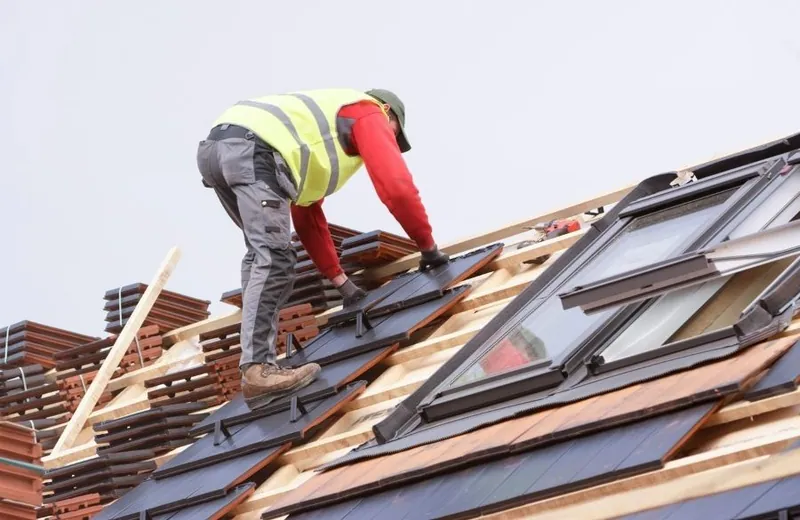
We handle full roof replacement and new roof installation with architectural shingles or 3-tab shingle roofing, including complete tear-offs, decking repair and new underlayment.

We tear down to the deck, replace rotted planks or sheathing, install ice and water shield at the eaves and valleys, add synthetic underlayment and drip edge, and fasten shingles to high-wind specifications.

Multi-layer Victorian roofs near downtown and the 1990s–2000s hip-and-valley roofs in Algoma, Fox Crossing and Neenah are both reaching replacement now. We match the details to each home, and in HOA neighborhoods we confirm color and style first.

Best for: Roofs over 20 years old, multi-layer roofs, widespread hail damage or homes with repeated leaks.

Explore
★ Specialty

Metal Roofing: Standing Seam, Steel & Corrugated

We do metal roof installation and metal roof repair, including standing seam metal roofs, residential metal roofing, steel roofing and corrugated metal roofing for homes, cabins, barns and outbuildings.

Concealed-fastener standing seam goes on homes and lakefront properties. Exposed-fastener steel panels go on agricultural buildings. Every job gets proper roof flashing for metal roofs, steel roof flashing, snow guards where needed and screw replacement on existing panels.

Metal sheds snow quickly and stands up to lake wind, which is why farm owners in Rosendale, Van Dyne and Pickett and lakefront owners on Winnebago and Poygan choose it. We also re-screw and reseal aging pole barn roofs.

Best for: Long-term owners, rural and agricultural buildings, wind-exposed lakefront homes and anyone who wants a low-maintenance roof.

Explore

Flat Roofing: TPO, EPDM & Roof Coatings

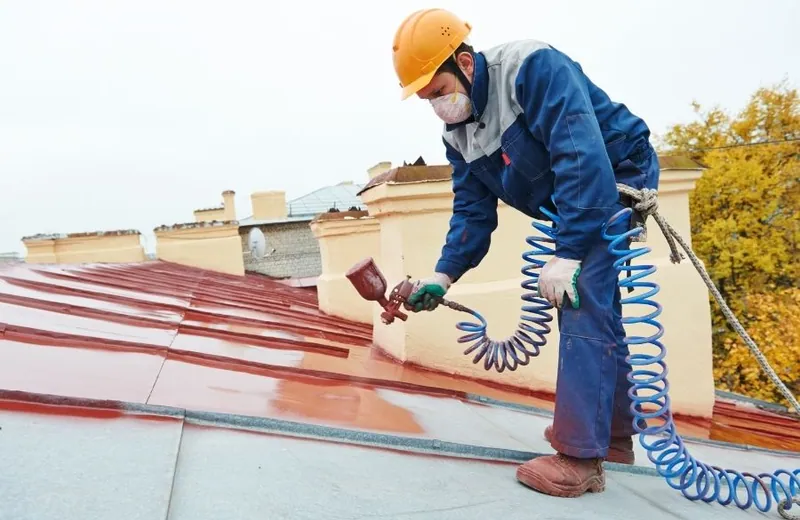
We provide flat roof repair, flat roof replacement, TPO roofing, EPDM rubber roofing, roof waterproofing and roof coating application for porches, additions, garages and commercial buildings.

We probe seams, test for wet insulation, fix ponding with tapered insulation or added drains, then heat-weld TPO, fully adhere EPDM or apply silicone or acrylic coatings to restore sound membranes.

Heavy, wet snow and standing meltwater are hard on low-slope roofs in Oshkosh. Porch roofs on older homes and flat-roofed storefronts downtown need membranes rated for ponding and freeze-thaw cycling.

Best for: Low-slope residential sections, flat-roofed garages and small commercial buildings with seam or ponding leaks.

Explore

Commercial Roofing & Commercial Roof Repair

We handle commercial roofing for retail, office, light-industrial and multi-unit buildings, including repairs, maintenance plans, coatings and full low-slope replacement.

We start with a documented inspection and core samples where needed, then repair, restore or replace the TPO, EPDM or modified-bitumen system and schedule the work around your operations.

Manufacturing and paper-industry buildings in Oshkosh, Neenah and Menasha, and the many rental properties near UW Oshkosh, need dependable low-slope performance through snow load season.

Best for: Property managers, landlords and business owners who need to protect their operations and their budgets.

Explore

Roof Inspection, Maintenance & Restoration

We offer roof inspections, routine roof maintenance and roof restoration to catch problems early and get more years out of an existing roof.

We do a hands-on review of the shingles, flashing, sealants, vents, gutters and attic, followed by written findings with photos. Maintenance visits reseal penetrations, clear debris and fix small issues.

An inspection after spring thaw and another before November cold works well in Oshkosh. It's also smart after any Fox Valley hail event, and for landlords near campus or anyone buying an older home.

Best for: Home buyers and sellers, landlords, aging roofs and anyone with a possible storm-damage claim.

Explore

Flashing & Chimney Leak Repair

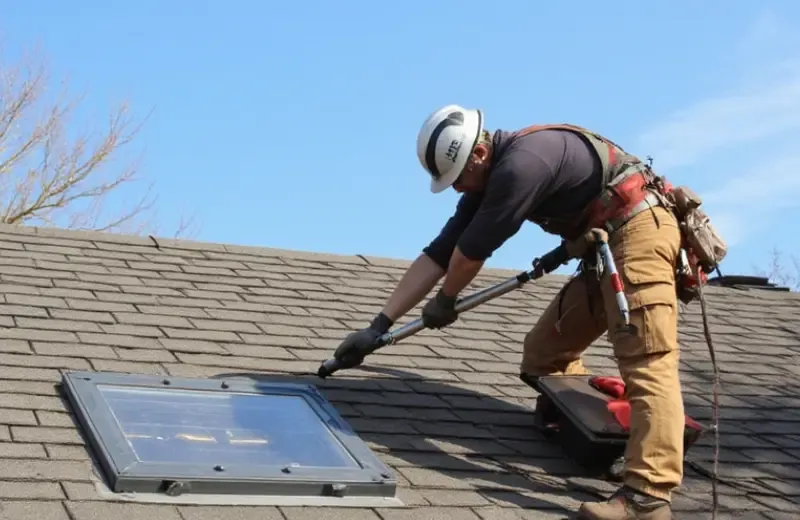
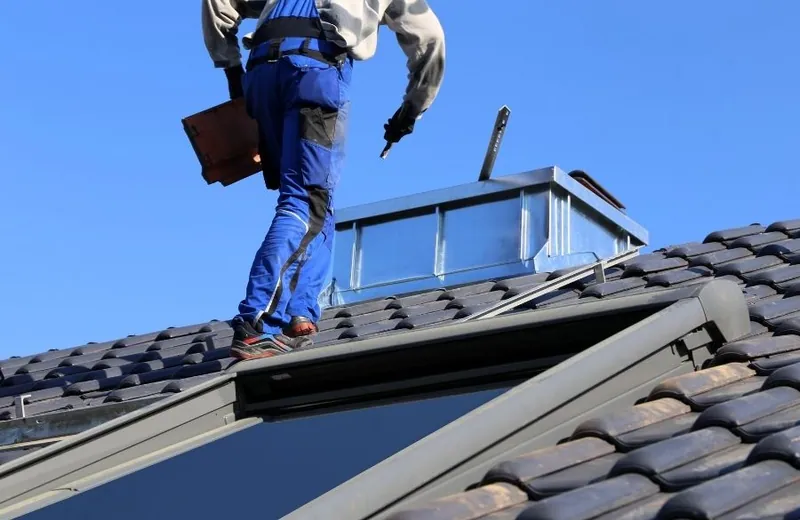
We cover chimney flashing repair, chimney leak repair, skylight leak repair, roof flashing, roof drip edge flashing and flashing for metal roofs.

We install new step, counter and apron flashing, cut reglets into the mortar, replace failed skylight flashing kits and add drip edge so water stays out of the fascia.

Brick chimneys, dormers and turrets on Oshkosh Victorians and bungalows need precise hand-bent flashing. Freeze-thaw cycles break down caulk patches within a season or two.

Best for: Leaks next to chimneys, skylights or walls, and older homes with tar-patched flashing.

Explore

Ventilation, Soffit & Fascia, and Gutter Guards

We handle roof ventilation installation, soffit and fascia installation and gutter guard installation to control attic moisture, protect the roofline and keep water moving.

We calculate balanced intake and exhaust, open blocked soffits, add ridge or box vents, replace rotted wood fascia with wrapped or composite material and install guards sized for local leaf loads.

Poor ventilation drives both ice dams and summer heat buildup in Oshkosh attics. Rotted soffits are common after ice-dam winters, and leaves from tree-lined older streets clog gutters.

Best for: Homes with ice dams, attic frost, rotted eaves or overflowing gutters.

Explore

Specialty Roofing: Slate, Cedar Shake, Tile & Copper

We do slate roof installation, cedar shake roofing, tile roofing and copper roofing for historic homes and premium properties, including detail work on turrets, bays and box gutters.

We use material-appropriate fastening and underlayment, copper or other suitable flashings and careful repairs that keep the original roof character intact.

Homes in the Washington Avenue Historic District and similar districts in Neenah, Appleton and Menasha may face review of visible material changes. We help owners choose options that respect the architecture.

Best for: Historic homes, architecturally significant properties and owners who want premium, long-lived materials.

Explore
Know The Signs

Common Roofing Problems in Oshkosh and the Fox Valley

Most roof failures around Oshkosh follow a few predictable patterns driven by snow, lake wind, summer storms and the age of the local housing. Knowing what causes each problem, and what the early warning signs look like, helps you act before a small repair turns into rotted decking or a wrecked ceiling.

Ice Dams and Hidden Meltwater Damage Serious

An ice dam is a ridge of ice that forms at a cold eave when attic heat melts the snow higher up the roof. The meltwater runs down, refreezes at the overhang and pools behind the ice. From there it backs up under shingles and into the soffits, walls and ceilings below.

Why it's common here

Oshkosh gets long stretches below freezing with 40–45 inches of snow on top. Many local homes were never insulated or ventilated for that, including balloon-framed Victorians, 1.5-story Cape Cods with knee-wall attics and bungalows with finished upper floors. Warm air escapes into the roof deck, the snow melts from below and the eaves stay cold. The damage often stays hidden until late February or March, when ceiling stains show up and soffit and fascia boards have already started to rot.

Signs you'll notice
  • Thick ice ridges or large icicles along gutters and eaves
  • Brown water stains on ceilings near exterior walls
  • Peeling paint or bubbling drywall under the roofline
  • Damp or moldy attic insulation near the eaves
  • Soft, discolored soffit or fascia boards
  • Water dripping inside window frames during a thaw
Local patterns

We see the worst ice damming on Cape Cods and 1.5-story homes on the south and west sides, on bungalows in the Stevens Park and South Park areas, and on older homes along the Algoma Boulevard corridor where attic insulation is thin or missing.

Our fix: We safely remove ice with low-pressure steam, repair the leak and any damaged decking, then add ice and water shield, better ventilation and heat cable where it makes sense.

Wind-Lifted and Missing Shingles Serious

High winds can break the adhesive seal under shingle tabs, fold them back and crease them, or tear them off completely. Once the seal fails, the next storm lifts those tabs even more easily. That exposes nail lines and underlayment to wind-driven rain.

Why it's common here

Wind blows across miles of open water on Lake Winnebago and Lake Butte des Morts before it reaches homes along the shore and the rivers. Three-tab shingles and aging roofs from the 1990s and 2000s lose their seal strength over time, and summer straight-line winds across the Fox Valley finish the job. Our short warm season matters too. Shingles installed in cold weather may never seal properly unless they're hand-sealed or fastened correctly.

Signs you'll notice
  • Shingles or tab pieces in the yard after a storm
  • Horizontal creases across shingle tabs
  • Exposed black underlayment or bare decking
  • Shingles that flap or lift on windy days
  • New leaks after wind-driven rain
Local patterns

This damage is concentrated on Menominee Park and Millers Bay homes, the Lake Butte des Morts shoreline, Black Wolf lakefront properties and riverfront cottages along the Fox and Wolf rivers. Exposed corner lots in Westhaven see it too.

Our fix: We replace damaged shingles with matching ones, hand-seal the tabs, re-nail to the manufacturer's high-wind pattern and check nearby courses for broken seals.

Failed Chimney, Dormer and Skylight Flashing Moderate

Flashing is the metal that seals the joints where a roof meets a chimney, wall, dormer, skylight or vent pipe. When it lifts, corrodes or loses its sealant, water gets behind it. These leaks often show up some distance from where the water actually gets in.

Why it's common here

The freeze-thaw cycles in March, April and November make the metal, masonry and sealant expand and contract every day, and old caulk cracks under that strain. Victorian and bungalow homes in Oshkosh have lots of brick chimneys, dormers and wall intersections, and many were flashed decades ago with roofing cement instead of proper step and counter flashing. Mortar joints on old chimneys also deteriorate, which lets water in above the flashing line.

Signs you'll notice
  • Stains on the ceiling or wall beside a chimney
  • Water marks around skylight frames
  • Rusted, bent or loose metal at roof joints
  • Cracked mortar or missing counter flashing on the chimney
  • Tar or caulk patches layered over flashing
  • Drips during heavy rain but not light rain
Local patterns

This is very common in the Washington Avenue Historic District and the UW Oshkosh campus neighborhood, where turn-of-the-century homes have multiple chimneys and dormers and decades of patch-over repairs.

Our fix: We remove the failed material and install new step, counter and apron flashing, cutting reglets into the masonry where needed. Skylights get new flashing kits or are resealed.

Hail Bruising and Granule Loss Moderate

Hail can crack the fiberglass mat inside a shingle and knock off the protective granules, even when the roof looks fine from the ground. Bruised shingles age quickly under UV exposure and freeze-thaw cycling. Leaks often appear months after the storm.

Why it's common here

Severe thunderstorms roll across the Fox Valley from May through August and bring hail, damaging winds and the occasional tornado warning. Most homeowners never get on their roofs, so the bruising goes unnoticed. Storm chasers also show up after these events and push quick claims, which is why Wisconsin passed Statute 100.65 to regulate contractor conduct on insurance work.

Signs you'll notice
  • Granules piling up in gutters or at downspout outlets
  • Dark spots where granules are missing
  • Dents in gutters, vents or metal flashing
  • Soft or cracked spots on shingles
  • Neighbors getting roofs replaced after the same storm
Local patterns

Hail and wind events often hit the newer subdivisions in the Town of Algoma, Nekimi, Fox Crossing and Neenah all at once. Many of those architectural-shingle roofs are already near the end of their first life cycle.

Our fix: We document the damage with photos, explain whether it supports a claim and handle repairs or replacement within Wisconsin's storm-contractor rules. We never waive deductibles.

Multi-Layer Roofs Over Deteriorated Plank Decking Serious

Many older homes have two or more layers of shingles nailed over the original plank or board decking. The extra weight, trapped moisture and nail damage hide rot. Code limits on roof layers mean the next replacement requires a full tear-off.

Why it's common here

Oshkosh's housing boom after the 1875 fire left thousands of homes with spaced plank decking. Over the decades, owners kept roofing over the old layers to save money. Under heavy, wet snow loads, a sagging, rotted deck hidden beneath those layers becomes a structural concern, and nails driven into split planks won't hold new shingles against lake wind.

Signs you'll notice
  • Visible sagging or waviness along the roof plane
  • Thick, stepped edges at the eaves showing multiple layers
  • Soft or spongy spots when walked on
  • Daylight through the decking in the attic
  • Shingles that won't stay nailed down
Local patterns

This is typical of the Victorians, Italianates and bungalows in the Washington Avenue area, along Algoma Boulevard and near downtown, as well as rental conversions around UW Oshkosh where maintenance has been put off.

Our fix: We do a full tear-off, replace rotted planks, add plywood or OSB sheathing where needed, then install ice and water shield, underlayment and new shingles.

Poor Attic Ventilation, Frost and Condensation Moderate

When an attic can't exhaust warm, moist air, that moisture condenses on the cold underside of the roof deck. In winter it freezes into frost. When the frost melts it drips onto insulation and ceilings, and over time it rots the decking and shortens shingle life.

Why it's common here

Oshkosh's humid summers and long, cold winters create big temperature and moisture swings in the attic. Older homes often have blocked soffits, missing ridge vents or bathroom fans that vent straight into the attic. Shaded, tree-lined blocks also keep roofs damp longer, which encourages moss and algae streaking on north-facing slopes.

Signs you'll notice
  • Frost or ice on attic nails and the roof deck in winter
  • Musty attic smell or dark staining on rafters
  • Curling or blistering shingles at a young age
  • Dark algae streaks or moss on shaded slopes
  • High summer cooling bills and hot upstairs rooms
Local patterns

We find this most often in 1950s–70s ranches and Cape Cods in South Park and Westhaven, and in the shaded older blocks around Stevens Park and the campus area.

Our fix: We balance the intake and exhaust ventilation with soffit, ridge or box vents, reroute exhaust fans and flag insulation gaps that are driving moisture and ice dams.

Low-Slope and Flat Roof Ponding Leaks Emergency

Flat and low-slope roofs on porches, additions, garages and commercial buildings rely on membranes like EPDM, TPO or modified bitumen. Seams, penetrations and ponding areas fail first. Water can travel a long way under the membrane before it shows up inside.

Why it's common here

Heavy, wet snow sits on low-slope roofs around Oshkosh for weeks, and melt cycles leave standing water that freezes and thaws over and over. Commercial and industrial buildings tied to local manufacturing and the paper industry in Neenah and Menasha cover large membrane areas, where a single failed seam can damage inventory or equipment.

Signs you'll notice
  • Standing water 48 hours after rain or melt
  • Bubbles, blisters or wrinkles in the membrane
  • Open or lifting seams at laps and edges
  • Ceiling tiles stained or sagging inside
  • Cracked sealant around HVAC curbs and drains
  • Ice buildup around roof drains in winter
Local patterns

Common on porch roofs and rear additions in older Oshkosh neighborhoods, flat-roofed downtown storefronts and commercial and light-industrial buildings in Oshkosh, Neenah and Menasha.

Our fix: We find the leak, patch or re-seam the membrane, improve drainage at ponding spots and recommend coatings or full TPO/EPDM replacement when the system has worn out.

Transparent Pricing

How Much Does a Roof Cost in Oshkosh, WI?

Roofing costs around Oshkosh depend more on what's under your shingles than on the shingles themselves. These are the main factors that move the price, along with realistic ranges for common local projects, so you can plan before your inspection.

Typical Project

Leak or shingle repair after a windstorm

Replace wind-damaged shingles, reseal tabs, repair a vent boot or small flashing area on an asphalt roof

$350 – $1,500
Typical Project

Ice dam removal and leak repair

Steam removal of eave ice on a Cape Cod or bungalow, plus repair of a localized leak and damaged soffit

$600 – $3,000
Typical Project

Architectural shingle replacement, mid-century ranch

About 1,600–2,000 sq ft roof, single-layer tear-off, ice and water shield, new underlayment, drip edge and ridge vent

$11,000 – $19,000
Typical Project

Historic home or standing seam metal re-roof

Multi-layer tear-off on a steep Victorian with decking repair and chimney flashing, or standing seam metal on a lakefront home

$22,000 – $50,000+
Roof Size, Pitch and Complexity Primary Factor

Roofing is priced by the square, which is 100 square feet. A simple gable ranch on the south side goes quickly. A Queen Anne with turrets, dormers and 12/12 pitches needs more labor, safety equipment, waste allowance and flashing time. Hip-and-valley suburban roofs in Fox Crossing or Algoma add cuts and valley work. Two homes with the same floor area can differ in price by 30–50% because of roof geometry.

Tear-Off Layers and Decking Condition Primary Factor

Many older Oshkosh homes have two or three layers of shingles over plank decking. Code layer limits mean everything has to come off, which adds labor and disposal costs. Once the deck is exposed, rotted or widely spaced planks may need repair or new plywood sheathing. We estimate decking allowances up front, typically priced per sheet, so you won't be surprised mid-project.

Material Choice Primary Factor

Architectural asphalt shingles are the local standard and give the best value. Three-tab costs less up front but stands up worse to lake wind. Standing seam metal typically costs two to three times as much as asphalt, but it sheds snow, resists wind and can last decades. Slate, cedar shake, tile and copper are premium choices, often used on historic homes.

Ice Barrier, Ventilation and Code Details Secondary Factor

Ice and water shield at the eaves and valleys, new drip edge, correct underlayment and balanced attic ventilation are essential in Climate Zone 6A. Adding ridge vents, opening soffits or replacing rotted fascia adds cost, but these upgrades directly prevent the ice dams that cause so much late-winter damage in Oshkosh.

Season, Access and Permits Secondary Factor

Winter replacements need extra labor for snow clearing and hand-sealing. Spring and post-storm demand can stretch schedules. Steep lots, tight urban driveways near downtown and lakefront access also affect cost. Permit fees vary by municipality, whether that's Oshkosh, Neenah, Appleton or a rural town.

Financing is available for qualified homeowners, so you can handle a needed replacement now instead of waiting through another ice-dam season. A properly installed roof with ice barrier and balanced ventilation protects your ceilings, insulation and framing. Paying for a correct installation once costs far less than repeated leak repairs and interior water damage every spring.

Local Expertise

Why Oshkosh Roofs Need a Contractor Who Knows Local Conditions

An Oshkosh roof deals with a lakeshore climate, more than a century of mixed housing and a patchwork of municipal permit rules. A crew from somewhere else can miss all three. Here's what shapes roofing decisions in Winnebago County and the Fox Valley, and why it should affect how your roof gets built.

Climate Zone 6A: Snow, Ice and Lake Wind

Oshkosh sits in IECC Climate Zone 6A on the west shore of Lake Winnebago. January highs usually reach only the low-to-mid 20s °F, overnight lows often drop into single digits and subzero snaps come every winter. Snowfall typically runs 40–45 inches a season, and heavy, wet spring and late-fall snows add serious load to low-slope porches and garages. Heat leaking from the attic melts that snow, and the water refreezes at cold eaves into ice dams. In March, April and November, daily freeze-thaw swings crack old shingles and break the sealant at vents and chimneys. From May through August, the area's 30–33 inches of annual rain mostly arrives in thunderstorms that bring hail and straight-line winds. Wind crossing the open water of Lake Winnebago and Lake Butte des Morts lifts aging shingle tabs on exposed homes.

Sawdust City Housing: Victorians to Hip-and-Valley Subdivisions

Oshkosh rebuilt heavily after the 1875 fire, so the core neighborhoods still hold many late-1800s Queen Anne, Italianate and Victorian homes, along with 1910s–1920s bungalows and Foursquares. They have steep multi-gable roofs, turrets, dormers, box gutters and brick chimneys. Most were balloon-framed with plank decking and little insulation, and many carry two or more layers of old shingles. Post-WWII Cape Cods and 1950s–70s ranches fill much of the south and west sides, and the knee-wall attics in those Cape Cods are notorious for ice dams. Subdivisions built in the 1990s and 2000s in Algoma, Black Wolf, Nekimi, Fox Crossing and Neenah have complex hip-and-valley roofs that are now hitting their first replacement cycle. Farther out, farmhouses and pole barns in Rosendale, Van Dyne and Pickett mostly have exposed-fastener steel roofs.

Permits, Historic Districts and Wisconsin's Storm Chaser Law

One- and two-family homes in Wisconsin fall under the Uniform Dwelling Code (SPS 320–325), administered by DSPS. Re-roofing usually requires a local permit. In Oshkosh, permits go through the City's Inspection Services Division. Neenah, Menasha, Appleton, Fox Crossing, Omro and Winneconne each set their own rules, and some rural towns use county or contracted inspectors, so check requirements for every job. Zone 6 code practice calls for an ice barrier at the eaves, and layer limits mean a multi-layer roof needs a full tear-off. If your home is in the Washington Avenue area or another district overseen by the Oshkosh Landmarks Commission, visible material changes may be reviewed. On insurance jobs, Wisconsin Statute 100.65 requires contractor disclosures, gives you a right to cancel if your claim is denied and bans contractors from waiving your deductible.

A Practical, Value-Minded Market

Oshkosh has about 66,000 residents and is the seat of Winnebago County, which has about 170,000. Household incomes in the city run near or slightly below the state median, with higher incomes in Neenah, Fox Crossing, the Appleton suburbs and lakefront areas. A lot of long-time owners and retirees live in older homes, and they care about local reputation, clear insurance help and crews that finish on schedule. Farm owners usually want durable metal roofs, while lakefront owners often choose premium architectural shingles or standing seam. Because snow and cold limit installation from roughly December through March, spring and post-storm backlogs build fast, which makes winter leak repair and emergency tarping important.

Oshkosh Roof Repair Masters Roofing Contractor in Oshkosh, WI project in Oshkosh, WI (1)
Oshkosh, WI
Oshkosh Roof Repair Masters Roofing Contractor in Oshkosh, WI project in Oshkosh, WI (2)
roof-repair
Talk to a Local Expert
The Oshkosh Roof Repair Masters Difference

Why Oshkosh Homeowners Choose Oshkosh Roof Repair Masters

We Build for Lake Winnebago Wind and Wisconsin Snow

Every roof we install or repair gets secure fastening and ice and water shield. Those two details decide whether a roof survives an Oshkosh winter or leaks by March. Shoreline homes in Menominee Park, Black Wolf and along Lake Butte des Morts take wind that inland roofs never see, so we fasten to high-wind patterns and hand-seal where cold weather could keep strips from bonding. On every job we look at what will actually hit that roof over the next 20 years.

We Know Older Oshkosh Homes

Oshkosh's Sawdust City housing needs patience. Queen Annes along Washington Avenue, Foursquares near Algoma Boulevard and bungalows around the campus have steep pitches, turrets, box gutters and brick chimneys that a fast-moving crew can wreck. We plan for plank decking, multiple old layers and tricky dormer intersections before we start. We take the time to flash chimneys properly and keep the details that give these homes their character.

Bonded and Insured on Every Job

Roofing is dangerous work done on your property, so protection matters. Oshkosh Roof Repair Masters is bonded and insured. If something unexpected happens during your project, you aren't the one left carrying the risk. We're happy to provide proof of coverage before work begins. Every homeowner should ask any roofer for that, especially after a storm, when unfamiliar trucks start knocking on doors.

Honest Help With Storm and Insurance Claims

After hail and wind storms roll through the Fox Valley, out-of-town storm chasers aren't far behind. We work the opposite way. We document real damage with photos, tell you plainly whether a claim makes sense and follow Wisconsin Statute 100.65, which gives you a right to cancel if your claim is denied. We will never offer to pay or waive your deductible. It's illegal, and it puts you at risk.

We Fix the Cause, Not Just the Symptom

A ceiling stain from an ice dam isn't really a shingle problem. It's an attic heat problem. That's why our inspections include the attic, and why we talk with you about ventilation and insulation along with the roof itself. Balancing intake and exhaust, opening blocked soffits and stopping heat loss can prevent the next ice dam, cut frost buildup and add years to your shingles.

Clear Options, Steady Communication

You'll get a thorough inspection, a written estimate that spells out what's included and what could change, such as rotted decking found during tear-off, and real options instead of a single high-pressure quote. Throughout the project we keep you updated on scheduling, weather delays and progress. Financing is available for larger projects, so a needed replacement doesn't have to wait until your roof fails.

Emergency Response Through Every Season

Oshkosh's roofing season is short, and spring and post-storm backlogs fill up fast. When a leak can't wait, we provide emergency tarping, ice dam removal and winter leak repair to protect your home until permanent work is possible. Our crews cover a 20-mile radius, from Omro and Winneconne to Neenah, Van Dyne and Pickett, so help is close by.

Simple & Transparent

How Our Roofing Process Works

From the first call to the final cleanup, you'll know what's happening, why it's happening and what it costs. Here's how a typical Oshkosh roofing project moves from start to finish.

Inspection & Assessment

Usually scheduled within a few days; same-day for active leaks when possible
  • We inspect the shingles, flashing, valleys, vents and gutters up close
  • We check the attic for ventilation, insulation gaps, frost and decking condition
  • We document damage with photos you can keep
  • We count existing layers to tell whether a tear-off is required

Local note: In winter we focus on ice dams, interior moisture and safe temporary fixes. Snow cover can hide some damage until thaw.

Clear Options & Written Estimate

Typically within 1–3 days of the inspection
  • We explain repair versus replacement in plain language
  • We outline material choices such as architectural shingles, standing seam metal or TPO
  • We provide an itemized written estimate, including possible decking costs
  • We review financing options if needed

Local note: For insurance claims, we follow Wisconsin Statute 100.65 disclosures and never offer to cover your deductible.

Permits & Scheduling

1–3 weeks depending on municipality and season
  • We confirm permit requirements with the city, village or town
  • We check HOA or historic-district requirements where they apply
  • We order materials and lock in your installation date
  • We confirm the schedule and prep details with you

Local note: Oshkosh permits go through Inspection Services. Neenah, Appleton, Omro and the rural towns each have their own process.

Installation

Most homes take 1–3 days; complex or historic roofs take longer
  • We protect landscaping, siding and driveways
  • We tear off down to the deck and replace damaged decking
  • We install ice and water shield, underlayment, drip edge and flashing
  • We install shingles or metal with secure, high-wind fastening

Local note: Cold-weather installs may need hand-sealing because adhesive strips need warmth to bond.

Cleanup & Final Walkthrough

Same day as completion
  • We run magnetic nail sweeps across the yard and driveway
  • We haul away all debris
  • We do a final quality inspection and photograph the finished work
  • We walk the roof with you and explain care and maintenance

Local note: We'll suggest spring and fall check-ups timed around freeze-thaw season.

Trusted Locally

Bonded, Insured and Rooted in the Oshkosh Area

Service Radius Around Oshkosh
20-Mile
Oshkosh, WI

Oshkosh homeowners value roofers who show up, communicate clearly and finish what they start. That's how we work on every project, from a single chimney flashing repair near UW Oshkosh to a full tear-off on a lakefront home.

16
Communities Served
Every Job
Ice & Water Shield Installed
Bonded & Insured
Protection on Every Project
BondedInsuredFinancing Available
Where We Work

Roofing Service Areas Around Oshkosh and the Fox Valley

We serve homeowners, farms and businesses within about 20 miles of Oshkosh, from the Winnebago shoreline to the Fox Cities and the farm towns to the south and west. Each community has its own housing mix, weather exposure and permit rules, and we plan for all of them.

Oshkosh & Lake Winnebago Shoreline

OshkoshButte des MortsVan DyneNorth Fond du LacStockbridgeHarrison

Fox Cities: Neenah, Menasha & Appleton

NeenahMenashaFox CrossingAppletonSherwood

Wolf River, Lake Poygan & Rural Winnebago/Fond du Lac

WinneconneOmroLarsenPickettRosendale

We serve properties within roughly a 20-mile radius of Oshkosh, including the Towns of Algoma, Black Wolf and Nekimi. Not sure if you're in range? Reach out through our contact page and we'll confirm. Not sure if we cover your area? Call (920) 768-8868.

Find Us

Serving Oshkosh, WI & Nearby

1124 Oregon St, Oshkosh, WI, 54902 · Mon-Sun: 7:00 AM - 7:00 PM

OshkoshButte des MortsVan DyneNorth Fond du LacStockbridgeHarrisonNeenahMenashaFox CrossingAppletonSherwoodWinneconneOmroLarsen
Questions & Answers

Oshkosh Roofing FAQs

How much does a new roof cost in Oshkosh?

Most single-layer architectural shingle replacements on typical Oshkosh ranches and Cape Cods fall between about $11,000 and $19,000. Older Victorians and bungalows with multiple layers, steep pitches and plank decking repairs often run $22,000 or more, and standing seam metal usually costs two to three times as much as asphalt. Your final price depends on roof size, pitch, layers, decking condition and materials. We give you an itemized written estimate after the inspection, including a clear decking allowance, so you know what could change once the old roof comes off. Financing is available.

How long does a roof replacement take?

Most homes in Oshkosh and the surrounding communities are finished in one to three days of good weather. Complex historic roofs with turrets, dormers and extensive decking repair can take longer. The bigger variable is scheduling. Our installation season is short, demand surges in spring and after summer storms, and permits take varying amounts of time depending on the municipality. We'll give you a realistic date up front and keep you posted if weather pushes it.

Do I need a permit to replace my roof in Oshkosh?

Usually, yes. In the City of Oshkosh, re-roofing permits go through the Inspection Services Division. Neenah, Menasha, Appleton, Fox Crossing, Omro, Winneconne and the surrounding towns each set their own rules, and some rural towns use county or contracted inspectors. If your home is in the Washington Avenue area or another historic district overseen by the Oshkosh Landmarks Commission, visible material changes may need review. HOA neighborhoods may also restrict shingle color and style. We confirm the requirements for your address before work begins.

Can you replace or repair a roof in winter?

Yes, with the right precautions. Leak repairs, ice dam removal and emergency tarping happen all winter long. Full replacements can be done when an emergency can't wait, but shingle adhesive strips need warmth to seal, so we hand-seal shingles and work in safe weather windows. For non-urgent replacements, we often recommend a solid temporary repair now and a full installation in spring, when conditions are best.

How do I prevent ice dams on my house?

Ice dams start with heat escaping into the attic, so prevention starts there. Sealing air leaks, adding insulation and balancing soffit and ridge ventilation keep the roof deck cold so snow doesn't melt and refreeze at the eaves. Ice and water shield at the eaves protects the roof if a dam does form, and heat cable can help on chronic trouble spots like valleys and low eaves. Using a roof rake to clear the bottom few feet of snow after big storms also helps. Cape Cods and older bungalows benefit most.

When should I call a roofer instead of waiting?

Call right away if you see water dripping inside, ceiling stains spreading, shingles missing after a storm, heavy ice ridges at the eaves or sagging anywhere on the roofline. Those problems get worse quickly in Oshkosh's freeze-thaw cycles. Also schedule an inspection after any hail event, if your roof is over 20 years old, if you see granules piling up in your gutters or if you're buying an older home. Catching damage early usually means a repair instead of a replacement.

How do you handle storm damage insurance claims?

We inspect the roof, photograph the damage and give you an honest opinion on whether it supports a claim. Wisconsin Statute 100.65 regulates contractors on residential storm claims. It requires specific disclosures, gives you the right to cancel if your insurer denies the claim and prohibits contractors from offering to pay or waive your deductible. We follow it fully. Be cautious of out-of-town crews that show up after Fox Valley storms promising a free roof.

Should I choose asphalt shingles or a metal roof?

Architectural asphalt shingles give the best up-front value and are the most common choice in Oshkosh. They work well when they're installed with proper fastening and an ice barrier. Standing seam metal costs more but sheds snow quickly, resists lake wind and can last decades, which makes it popular with lakefront owners and long-term homeowners. For barns and outbuildings in Rosendale, Van Dyne and Pickett, exposed-fastener steel is the practical standard. We'll compare the options for your home, budget and plans.

Get Your Oshkosh Roof Inspected Before the Next Storm or Thaw

Whether you're seeing ceiling stains, ice ridges or shingles in the yard, a thorough inspection is the first step. We'll show you what's going on and lay out clear options.

  • Hands-on roof and attic inspection with photo documentation
  • Clear repair and replacement options with an itemized written estimate
  • Secure fastening and ice and water shield on every project
  • Bonded and insured crews
  • Honest storm-claim guidance that follows Wisconsin law
  • Financing available for larger projects
  • Steady communication from first call to final cleanup

Serving Oshkosh and communities within 20 miles, including Neenah, Omro, Winneconne, Butte des Morts, Van Dyne and Pickett.

Active leak, storm damage or ice dam? Call now for emergency tarping, ice removal and winter leak repair.

Bonded • Insured

Call (920) 768-8868 Free Estimate